+31(0)884321800
 en
 nl


Implementation timeline
The obligation rolls out in three phases:
- 6 October 2027: Businesses with turnover above EUR 8 million must exchange eInvoices and submit invoice status information.
- 6 October 2028: All remaining businesses must comply.
- 6 October 2029: Expected obligations for self-employed professionals.

Who must comply
Mandatory B2B eInvoicing applies to resident and non-resident businesses, with or without a permanent establishment in Spain, when they are the VAT taxable person for the transaction and are required to issue an invoice under Spanish invoicing regulations.
The requirement applies only where the recipient acts as a business or professional and has its seat of economic activity, a permanent establishment, or its domicile or habitual residence in Spain. Transactions with recipients not established in Spain and without a permanent establishment in Spain fall outside the scope.
Technical model and formats
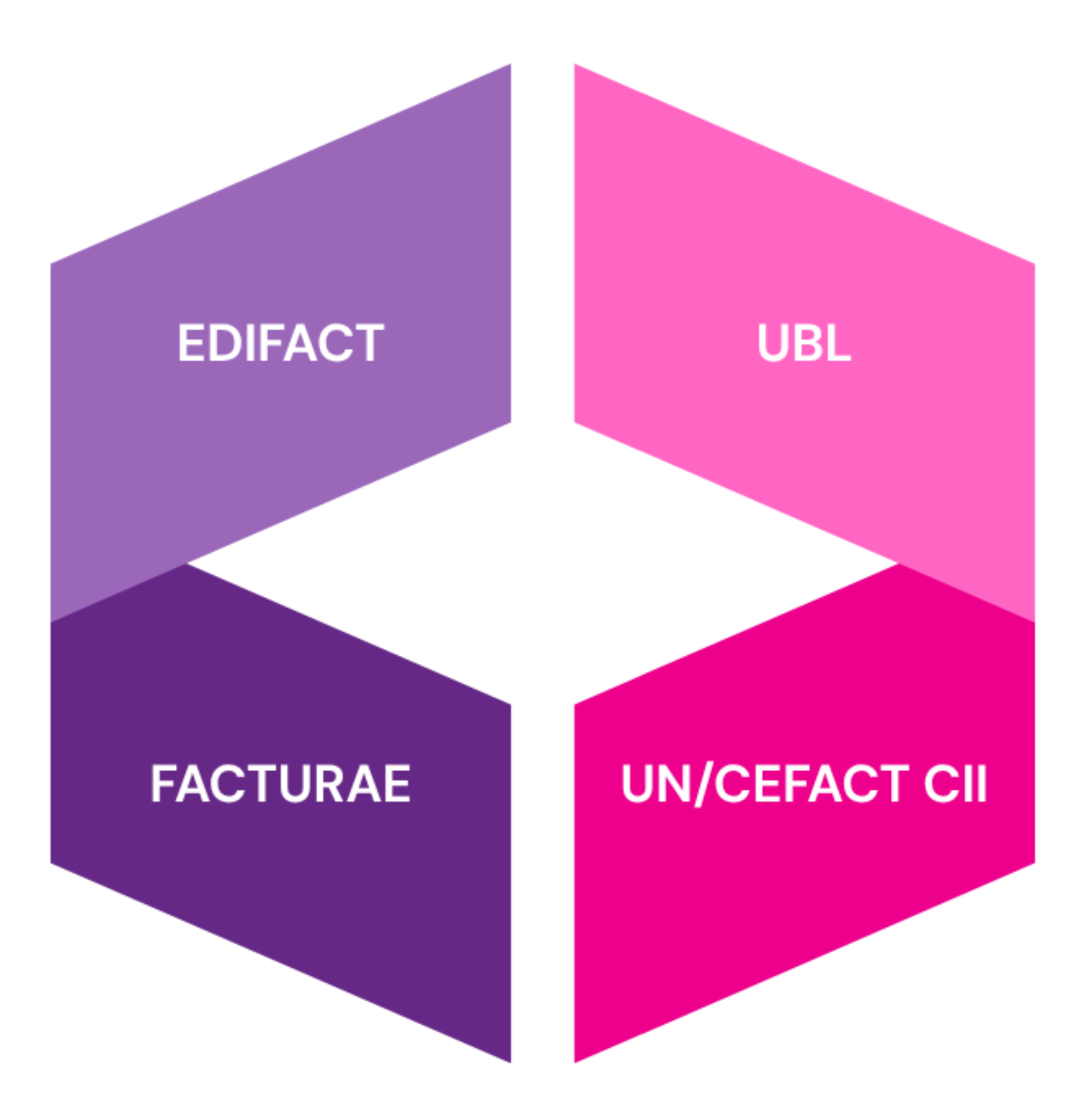
Your organization can issue eInvoices through the public platform operated by AEAT (the Spanish tax authority) or through private platforms. Four formats are allowed: UBL, UN/CEFACT CII, Facturae, and EDIFACT. All public platforms must be able to communicate with each other.
When you use a private platform, you must also submit a faithful copy of each invoice to AEAT in UBL format at the time of issuance. Electronic signatures are mandatory in several scenarios, such as when invoices are exchanged through private platforms.
Invoice status reporting
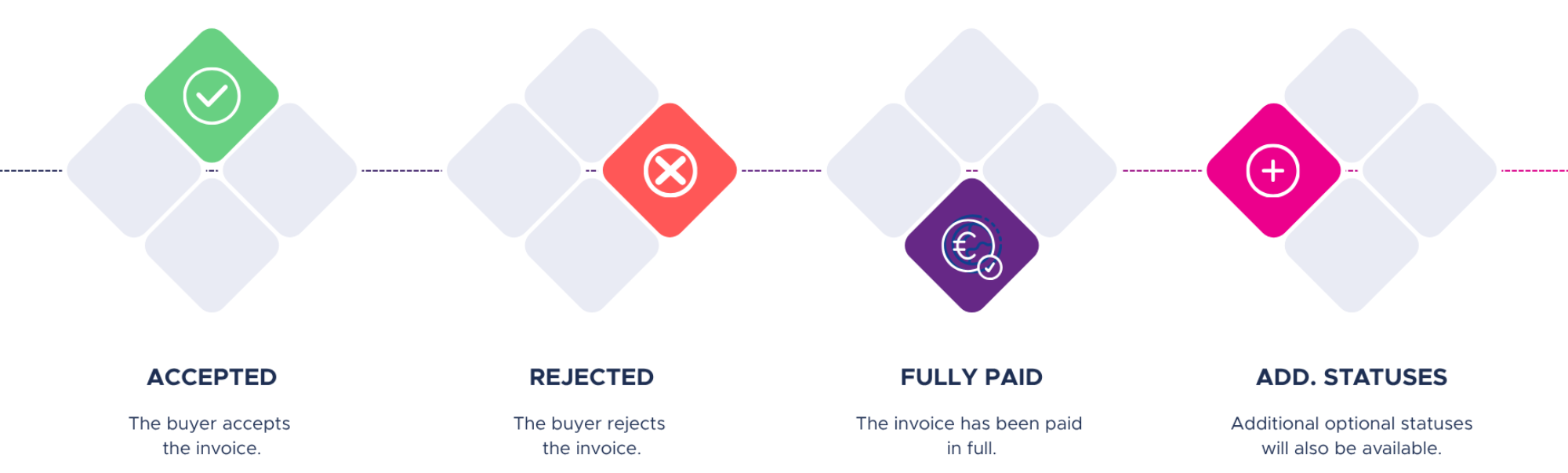
Buyers must report three mandatory lifecycle statuses to the supplier and AEAT: Accepted, Rejected, and Fully paid. Additional optional statuses will also be available.
Coordination with other Spanish obligations
Besides mandatory B2B eInvoicing, other Spanish regulations such as SII (Spain's electronic VAT reporting system) and Verifactu (billing software compliance) may also apply to your organization. Both relate to transactional data, and many businesses will need to comply with more than one regime.
With the implementation dates and technical requirements now confirmed, it's a good time to start preparing for Spain's eInvoicing mandate. Not sure which requirements apply to your organization? Our specialists can help you assess your obligations under Crea y Crece, SII and Verifactu, and prepare your systems for eInvoicing and invoice lifecycle reporting.
 2 min
Daniëlle van der Meulen-Idema
Sr. VAT & Tax Technology Specialist